
What is EPR? Extended Producer Responsibility explained
Extended Producer Responsibility (EPR) is an environmental policy framework that makes producers responsible for the entire lifecycle of the products they place on the market — especially packaging, electronics (WEEE), and batteries. If you are asking "what is EPR?", "what does EPR stand for?", or "what does EPR mean in business?", the answer is simple: EPR shifts the responsibility for waste management, recycling, and reporting from governments to businesses. For companies selling into Europe, EPR compliance means registering in each country, tracking the materials you sell, and submitting regular EPR reports to national authorities or Producer Responsibility Organizations (PROs).
Scope
Packaging, WEEE, batteries, textiles, and more.
Obligation
Register, report volumes, and pay eco-fees.
Outcome
Lower risk and stronger sustainability credibility.
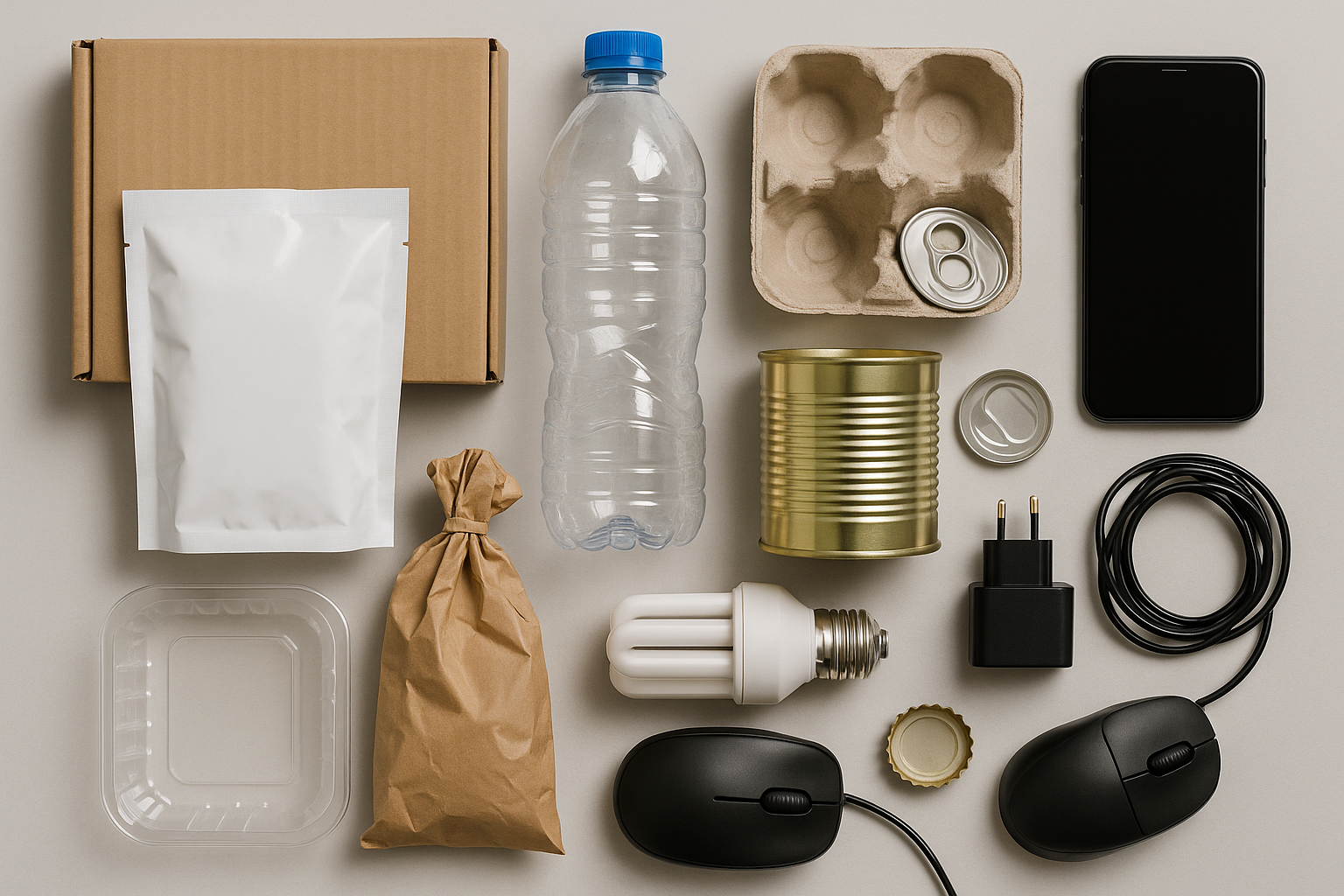
What does EPR stand for and what does EPR mean?
EPR stands for Extended Producer Responsibility. It is a regulatory approach used across the European Union to ensure that producers take responsibility for the environmental impact of their products throughout their lifecycle.
The EPR meaning in business refers to the obligation for companies to:
- Register with national EPR schemes in each country where they sell
- Track packaging, electronics, and battery volumes placed on the market
- Submit accurate EPR reporting data to authorities or Producer Responsibility Organizations (PROs)
- Pay eco-fees that fund recycling and waste management systems
In simple terms, EPR compliance ensures that businesses contribute to the collection, recycling, and responsible disposal of their products after they are sold.
What is EPR in business?
In a business context, EPR (Extended Producer Responsibility) applies to companies that manufacture, import, or sell physical goods into regulated markets such as the European Union.
EPR in business operations typically includes:
- Collecting data on packaging materials, weight, and product categories
- Managing country-specific EPR requirements across multiple markets
- Using EPR software or tools to automate reporting and reduce manual work
- Ensuring compliance with local regulations to avoid fines or sales restrictions
For e-commerce businesses and Shopify merchants, EPR becomes part of the supply chain and reporting workflow, especially when selling cross-border within Europe.
Why EPR Matters for Your Business
EPR compliance helps reduce environmental impact by encouraging companies to design packaging and products that are easier to recycle and reuse. For businesses operating in the EU, understanding what EPR means and how it affects your operations is crucial for avoiding penalties and maintaining market access.
Beyond compliance, EPR regulations help businesses build a responsible brand image and meet growing consumer expectations for sustainability. Companies that proactively manage their EPR obligations often gain competitive advantages in environmentally-conscious markets.
Who Needs to Comply with EPR Regulations?
Companies that manufacture, import, or sell packaged goods in EU member states are required to register under EPR regulations. This includes:
- E-commerce businesses and Shopify merchants selling to EU customers
- Online sellers on marketplaces like Amazon, eBay, and Etsy
- Manufacturers placing products on the EU market
- Importers bringing goods into the European Union
- Retailers with their own branded packaging
The EPR meaning extends to various product categories including packaging materials, electronics (WEEE), batteries, textiles, and more. Learn more about our EPR compliance services.
How EPR Compliance Works: Step-by-Step
Understanding what EPR compliance involves is essential for staying compliant in the EU. Whether managed manually or through EPR reporting software, the process typically follows these steps:
- Registration: Register with the appropriate EPR scheme in each country where you sell
- Data Tracking: Track the volume and type of packaging materials you place on the market
- Reporting: Submit regular reports to local authorities with your packaging data
- Fee Payment: Pay EPR fees that support national recycling and waste management programs
- Compliance Documentation: Maintain records and certificates to prove compliance
With the right EPR reporting software and tools, managing this process can be seamless while reducing the risk of non-compliance penalties. Our Shopify App automates much of this process for e-commerce businesses.
Many businesses use EPR tools or automated reporting platforms to simplify this process, especially when operating across multiple countries with different requirements.
What is EPR reporting and how does it work?
EPR reporting is the process of submitting data about the products and packaging you place on the market to national authorities or Producer Responsibility Organizations (PROs).
This typically includes:
- Packaging materials such as plastic, paper, and glass
- Weight of each material type
- Product categories such as electronics (WEEE) or batteries
- Sales volumes per country
Because each country has different formats and reporting requirements, many businesses rely on EPR reporting software or automation tools to generate accurate reports.
Solutions like the EPR Insights Shopify App help automate data collection and reporting, reducing manual work and improving accuracy.
What is an EPR scheme?
An EPR scheme is a national system that manages recycling and waste collection on behalf of producers. These schemes are typically operated by Producer Responsibility Organizations (PROs).
To comply with EPR regulations, businesses must register with an approved scheme in each country where they sell products.
Each EPR scheme defines:
- Reporting requirements and formats
- Fee structures based on materials and volumes
- Deadlines for submissions
Because requirements differ between countries, managing multiple EPR schemes can quickly become complex without the right systems or tools.
How EPR Insights Simplifies Your Compliance
At EPR Insights, we simplify what EPR compliance means for your business by providing:
- Automated Reporting Tools: Streamline data collection and report generation
- Country-Specific Guidance: Navigate different EPR requirements across EU countries
- Shopify Integration: Seamlessly track packaging data from your store
- Expert Support: Get help from EPR compliance specialists
- Custom Logistics Rules: Tailor the system to your unique supply chain
Whether you're a growing Shopify business or a large-scale distributor, our EPR solutions ensure you stay compliant while focusing on growth. Download our free EPR Starter Kit to get started.
Frequently Asked Questions
Get clear, practical answers about EPR scope, registration, fees, and timelines in our dedicated FAQ page.
Visit FAQ ->Do I need EPR if I sell online?
Most EU sellers need registration in each destination country.
What does EPR cover?
Packaging, WEEE, batteries, textiles, and category-specific schemes.
How long does compliance take?
Registration timelines vary by country, but early action avoids delays.
Ready to Simplify Your EPR Compliance?
Get started with EPR Insights today and simplify your EPR compliance, reporting, and data management across all EU markets.